MY REBUILD
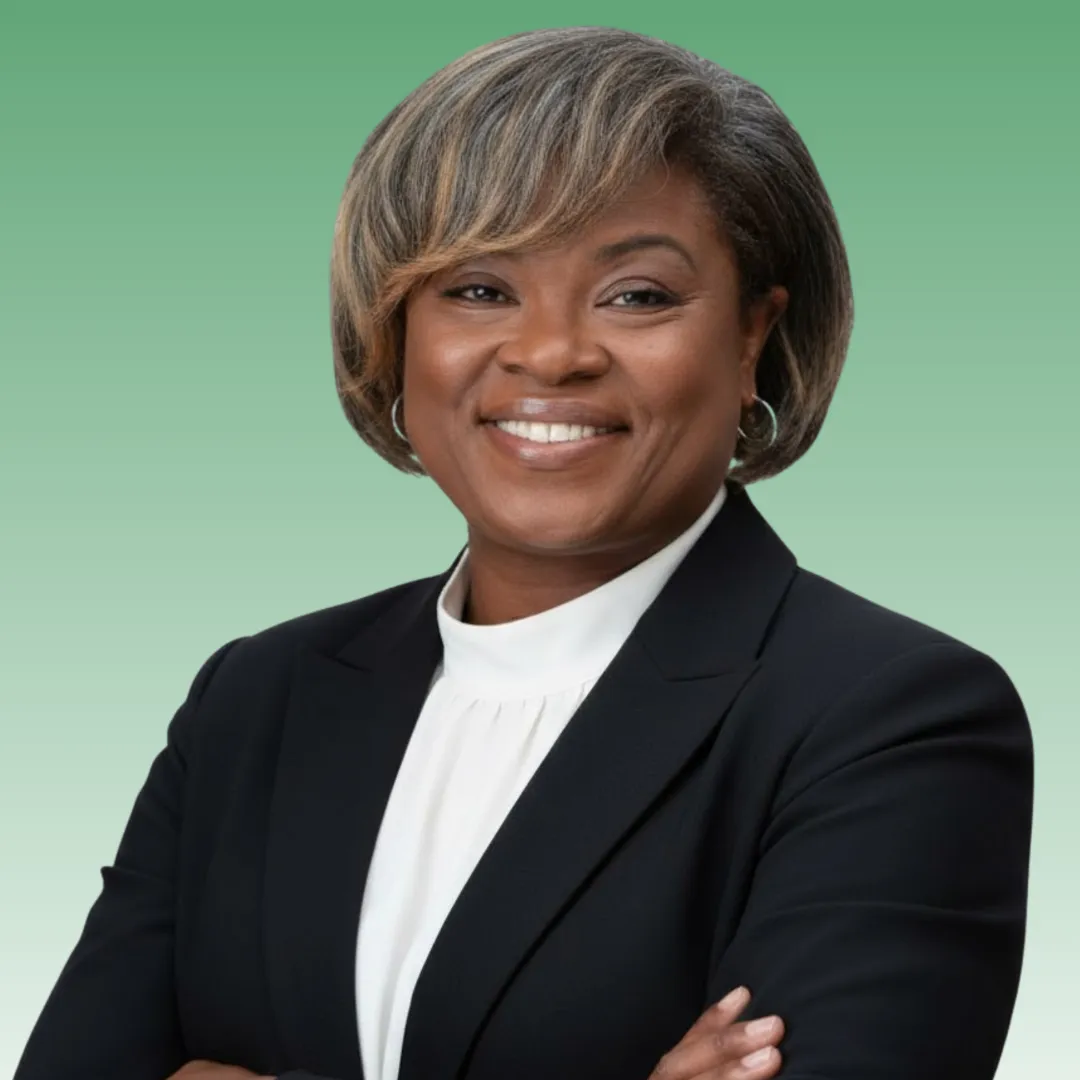
My name is Tonya Nance, and this is my rebuild—the raw, the real, and the redeemed.
In 2019, I launched Myriad Real Estate Solutions as a mother, a protector, and a founder, trying to build something my sons could stand on. We signed eight contracts, leased a warehouse, and started designing tiny homes when ADUs were still just a whisper. We were early—too early. Then came zoning challenges, delays, rising construction costs, COVID, and eventually the lawsuit and the loss.
The fallout was heavy. Some clients, partners, and supporters lost money, time, and trust. I carry that with me. If you walked through that season with me, please know this: you are not forgotten. What you risked—and what you lost—matters to me. It is part of why I insist now on rigorous planning, clear alignment, and only moving forward when the path is truly buildable.
We have been rebuilding piece by piece. It has been a long journey, and I am only halfway there. I’ve had to learn to trust myself again and quiet the voices of loss and disappointment. Making a crooked path straight takes time. When I fell, my whole circle felt it. I am doing my best to make those who supported my sons and me whole again, in whatever ways I can.
I have found my voice again in Masterplanning. For me, it isn’t just about building things—it’s about building alignment. Master planning is the spiritual and structural blueprint for places where people can heal, thrive, and transform generations. It’s where vision, land, numbers, and community all have to agree.
I don’t just plan land. I plan what should have always existed—dignity, equity, clarity, and care for land owners, investors, and municipalities who are trusting the process again.
What broke me built the blueprint.
GETTING YOUR NAME BACK
There’s a quiet kind of loss that happens when other people start telling your story for you. When you don’t speak, they fill in the blanks. They decide what your name means. And before you know it, your name comes with a disclaimer, a side note, a “yeah, but…” attached to it. That’s not just reputation—that’s identity. And when that happens, your confidence goes silent, and the silence speaks louder than anything you say out loud.
Getting your name back is a process. It looks like waking up, day after day, and choosing to stand in your truth—even when it’s uncomfortable. It looks like having a circle of people who don’t coddle you, but care enough to tell you the truth and hold you to it. People who remind you of who you are, not just what you’ve done.
Somewhere in that journey, you learn to forgive yourself. To stop treating your worst season like your whole story. You start to love yourself again—not the polished version, but the healed, humbled, beautifully human version. You remember that you are wonderfully made, even with the scars.
I believe grit is born in loss. Success is refined in failure. We come from greatness—generations of it—and when we decide to reclaim our voice, our name, and our purpose, we tap back into that greatness.
Getting your name back isn’t about erasing what happened. It’s about owning it, learning from it, and then letting it propel you into who you were always meant to be.
THE POWER OF MASTERPLANNING
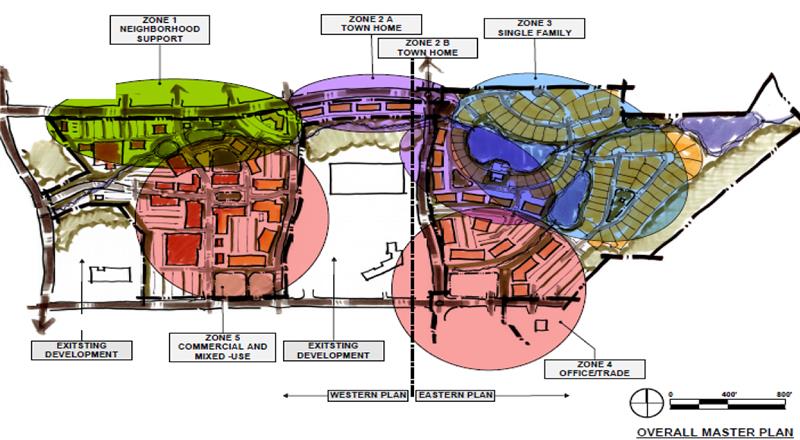
For me, master planning is where vision becomes strategy and strategy becomes something you can actually build. It's not just about drawing lines on a site plan; it's about seeing the full potential of land, people, and capital working together in smarter, more creative ways.
My role is to be the quarterback for the yes. I stand at the intersection of landowners, investors, and municipalities, making sure everyone's goals are understood, aligned, and translated into a plan that can move forward. I help shape the model and the big-picture vision so that when the architect steps in, they're not guessing-they're putting a clear, well-thought-out strategy onto paper.
A strong master plan balances highest and best use with constructability. I'm always asking:
What should go on this site?
What can realistically be built here, financially, politically, and physically?
How can we design this in a way that will still make sense 10, 20, 30 years from now?
That's where out-of-the-box thinking for land use comes in. I love looking at a piece of land and seeing possibilities others might miss- layering uses, blending community needs with revenue drivers, and finding creative ways to unlock value without breaking what makes the place special. Whether it's integrating sports, data, housing, logistics, or community spaces, I'm constantly pushing for solutions that are both imaginative and grounded.
I have a deep passion for getting it right. That means:
Protecting and elevating the long-term value of the land for owners
Structuring projects so investors see real, sustainable returns
Delivering outcomes that municipalities can proudly stand behind
When master planning is done well, everyone wins: the numbers work, the community benefits, and the project has a real path from idea to reality-with a creative edge that sets it apart. That's the power of master planning-and that's the work I'm committed to leading.
HOW TO WORK WITH ME?
The Master Planning Process
I help land owners, investors, and municipalities turn land into a clear, buildable, and fundable vision. My role is to be the quarterback for the yes—aligning vision, numbers, and reality so everyone can move forward with confidence.
1. Discovery & Alignment
We start with a focused strategy session. We’ll clarify:
What land you own (or want to control)
Your goals: hold, sell, develop, or partner
Timeline, risk tolerance, and non-negotiables
This is where we make sure we’re aiming at the right outcome before anyone draws a line on a plan.
2. Site & Context Review
Next, I look at the land in context—not just as a parcel, but as part of a larger ecosystem. I review:
Zoning, entitlements, and key constraints
Access, infrastructure, and surrounding uses
Market realities and competing projects
The goal: understand what’s truly possible and where the leverage points are.
3. Concept & Land Use Strategy
Here’s where we bring in creative, out-of-the-box land use thinking. I shape a high-level master plan concept that covers.
Highest and best use scenarios
Smart combinations of uses (sports, housing, logistics, wellness, data, etc.)
How the site can generate both near-term revenue and long-term value
This becomes the roadmap your architect can translate into drawings.
4. Financial Logic & Phasing
A vision has to pencil. In this phase, we:
Outline phased development (what comes first, second, and third)
Connect land use to revenue, costs, and returns
Explore partnership structures and risk mitigation
By the end, you have a plan that is not just exciting, but defensible and fundable.
5. Stakeholder & Municipality Strategy
I help position the project so stakeholders can say “yes” more easily.
That includes:
How to present the vision to city or county leadership
Aligning the project with community and policy goals
Anticipating feedback and planning smart adjustments
We’re not just asking for approval—we’re offering a win.
6. Architect Handoff & Ongoing Advisory
Once the framework is set, I support a clean handoff to your design team by:
Providing a clear brief rooted in strategy and numbers
Helping maintain intent as drawings evolve
Staying available as an advisor through design, entitlement, or early execution
If you’re ready for a partner who will think creatively, plan rigorously, and fight to get it right, we’re likely a good fit.
Let’s map the vision—and build the path to yes.
🟡 Ready to build something that matters?


LET NOTHING STOP YOU
AFFILIATED BUSINESS